

 Tiếng Việt
1. What is IPTV?
Frequently Asked Question: What is IPTV? In this article, we will explore IPTV, a television technology that is attracting the curiosity of many users.

IPTV stands for Internet Protocol Television. Simply put, IPTV is a technology that transmits television programs and content to viewers via an internet connection.
2. Methods of Receiving Internet Signals for IPTV
IPTV (Internet Protocol Television) has two methods of receiving internet signals:
- The first method: The IPTV service connects directly to a computer to receive the signal, then transmits the signal to your TV.
- The second method: Uses a converter device to transmit data, similar to the first method.
In addition, newer TVs integrate smart technology, allowing direct connection to IPTV without the need for intermediate devices.
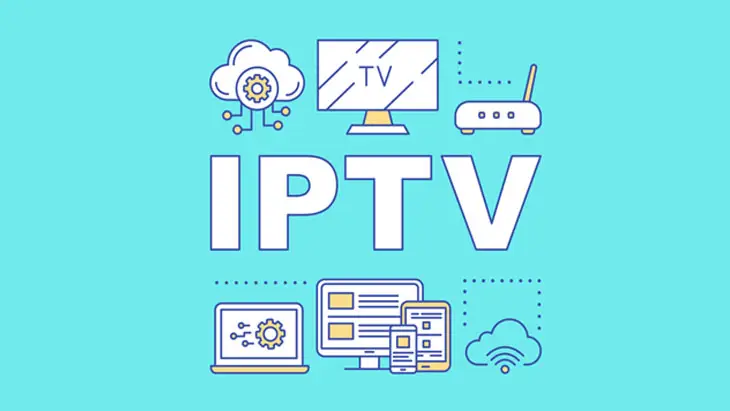
3. Key Features of IPTV IPTV offers many advantages:
- Multi-service integration: IPTV allows you to watch various services, including YouTube, access social networks, and stream movies online via an internet connection.
- High interactivity: IPTV allows you to interact with content, search for your favorite programs, watch multiple content simultaneously, and even control programs such as fast forward, pause, or rewind.
- IP-switched application: IPTV uses IP-switched technology, saving bandwidth and providing more services.
- Enjoy multimedia content within your home network: IPTV allows you to access content from multiple internet-connected devices in your home.
- Video on demand (VOD): IPTV features VOD, allowing you to watch any video you want without waiting.
- Program control: IPTV allows you to control programs, fast forward, pause, and change content as desired. 4. Limitations of IPTV
4. Limitations of IPTV
IPTV also has disadvantages:
Data loss: There is a high risk of data loss when the internet connection is unstable or disconnected.


Dependence on internet connection and server: IPTV depends on the internet connection and server quality, so a weak connection can lead to stuttering, lag, and longer content loading times.